Seven services. One goal: water you can rely on.
From the first geophysical reading on your land to the final airlift that clears your borehole for use, every stage of a water project is its own craft. Explore each service below to see exactly what we do, how we do it, and why it matters for the reliability of your water supply.
Complete borehole water solutions
Every successful borehole project involves far more than drilling a hole into the ground. It requires proper site investigation, experienced drilling, quality construction materials, performance testing, pump installation, and long-term maintenance.
We provide end-to-end borehole water solutions for homeowners, farms, industries, schools, hospitals, commercial developments, and government projects. Whether you're developing a new water source or restoring an existing borehole, our team delivers reliable results using modern equipment and proven engineering practices.
Water solutions built around your setting
Residential
Reliable water supply for homes and estates.
Agriculture
Irrigation, livestock, and farming operations.
Commercial
Hotels, offices, and shopping centres.
Industrial
Factories and production facilities.
Institutions
Schools, churches, and hospitals.
Government Projects
Community and municipal water systems.
A closer look at what we do
The seven services below represent seven distinct disciplines — from the first geophysical reading on your land to the pump that finally puts water in your hands. Scroll on to move through them one at a time, in the order a real project follows from site survey to a fully commissioned water supply.
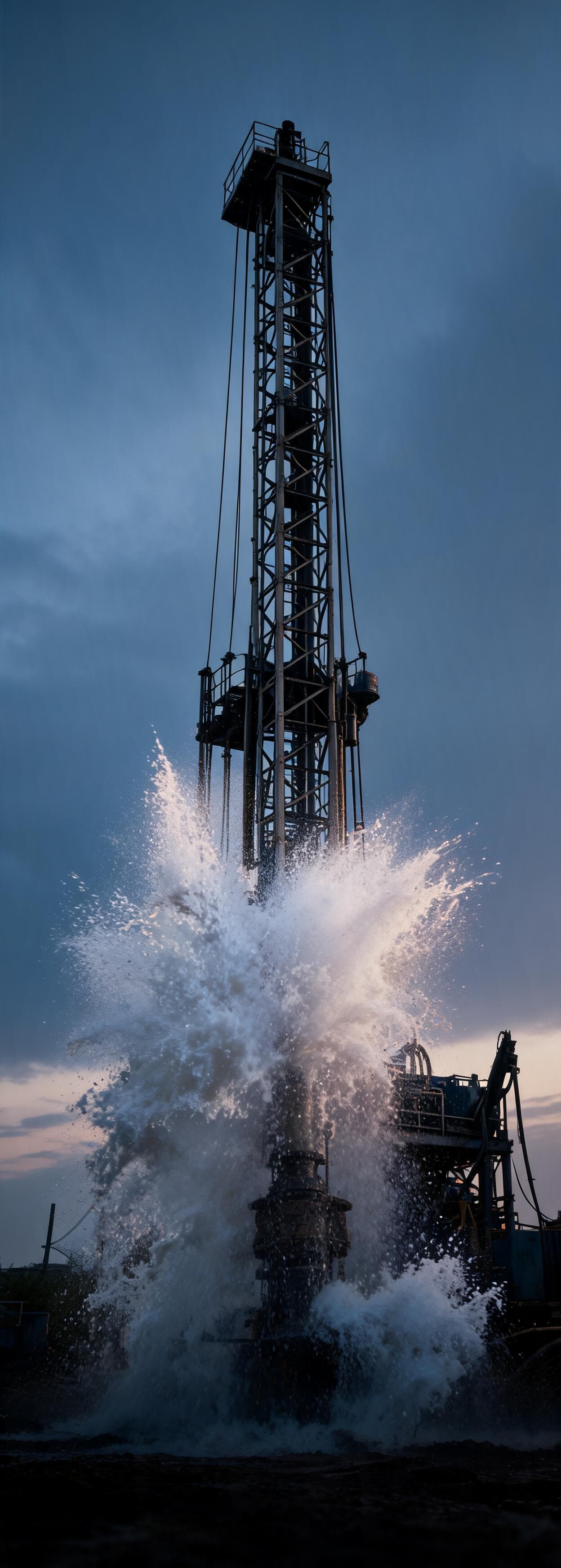
Borehole Drilling
100ft–400ft depth. Geophysical survey, drilling, and PVC casing to prevent collapse.
Learn more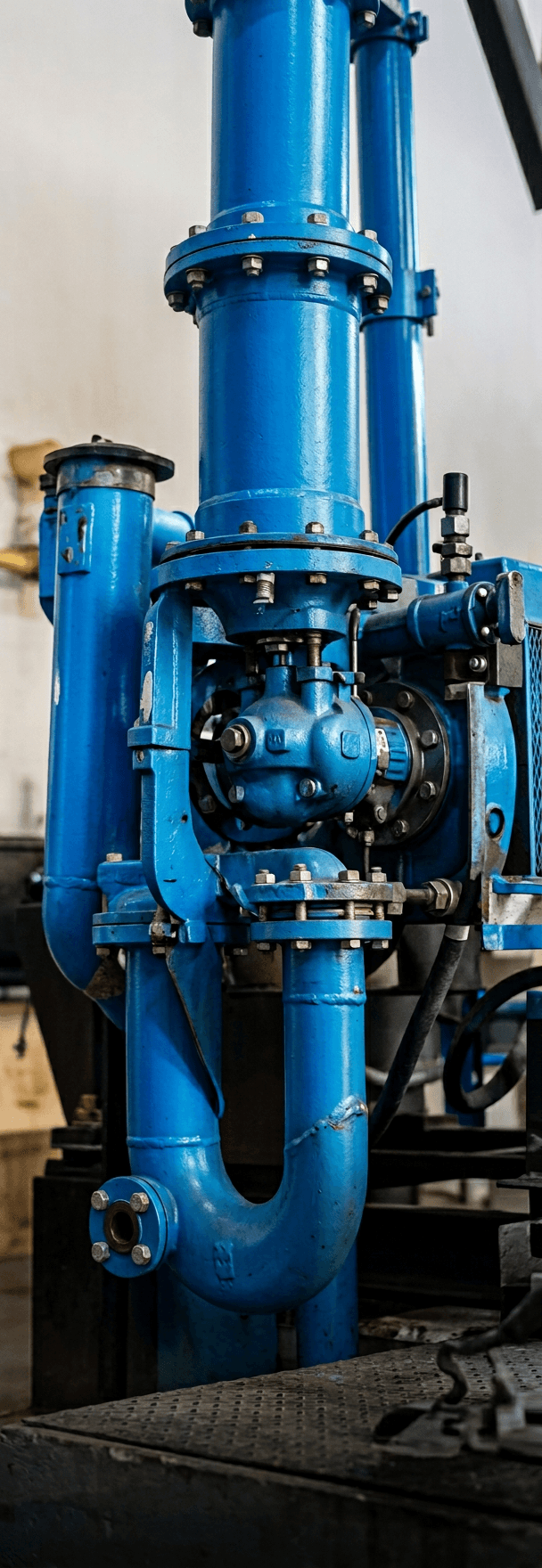
Pump Installation
Submersible, solar, and surface pumps — fully installed and wired.
Learn more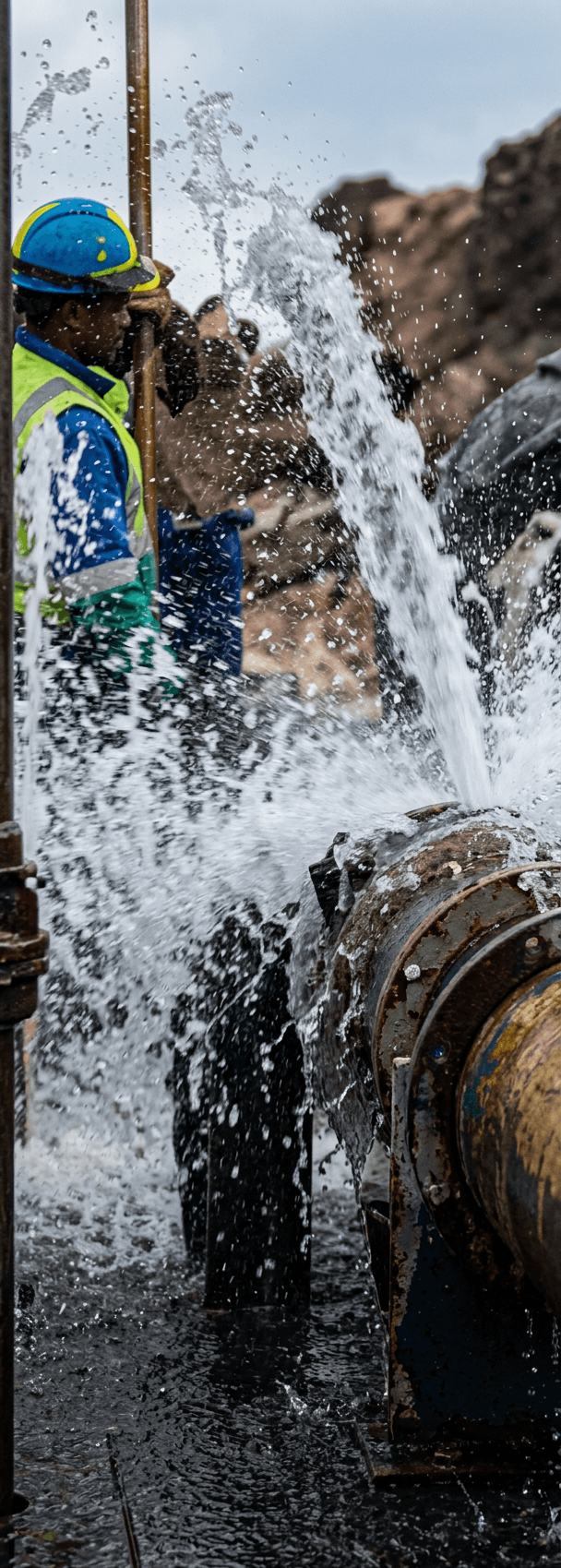
Borehole Rehabilitation
Low yield or muddy water? We clean and re-develop old boreholes.
Learn more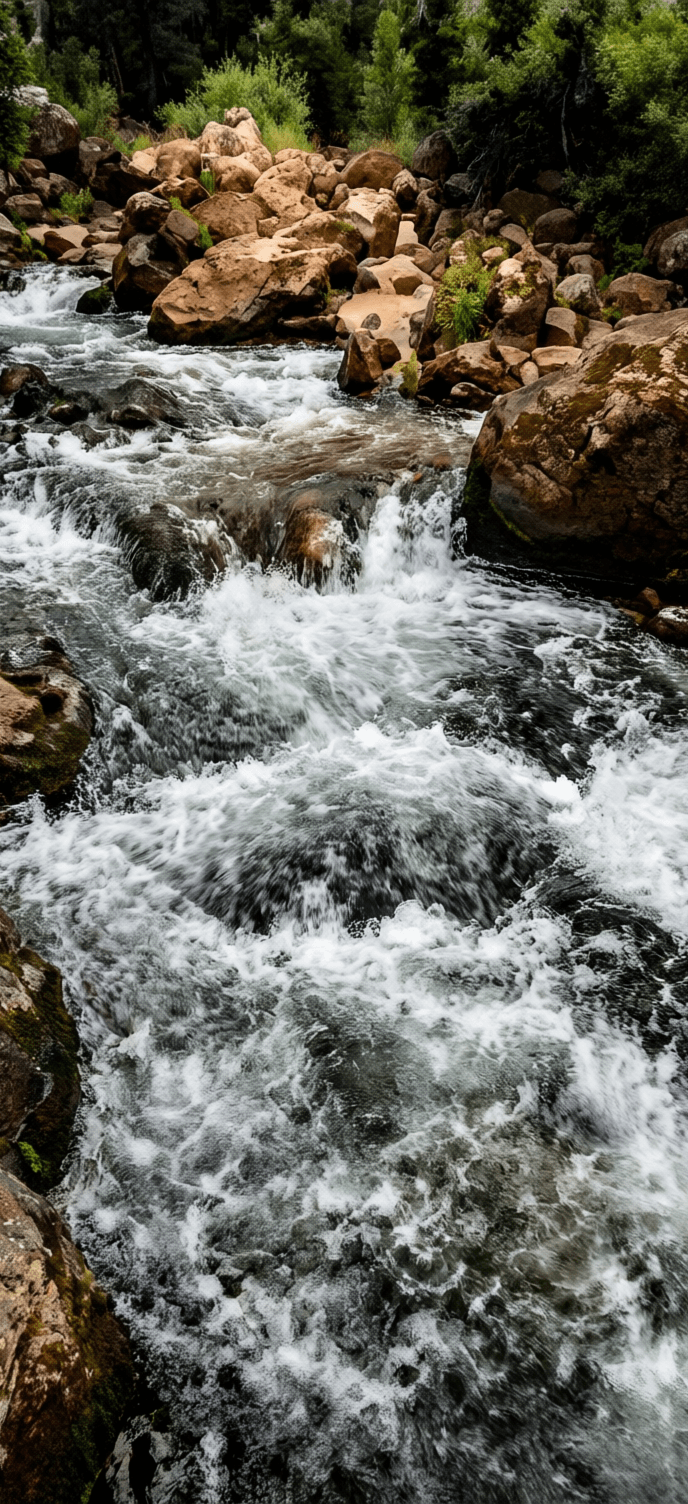
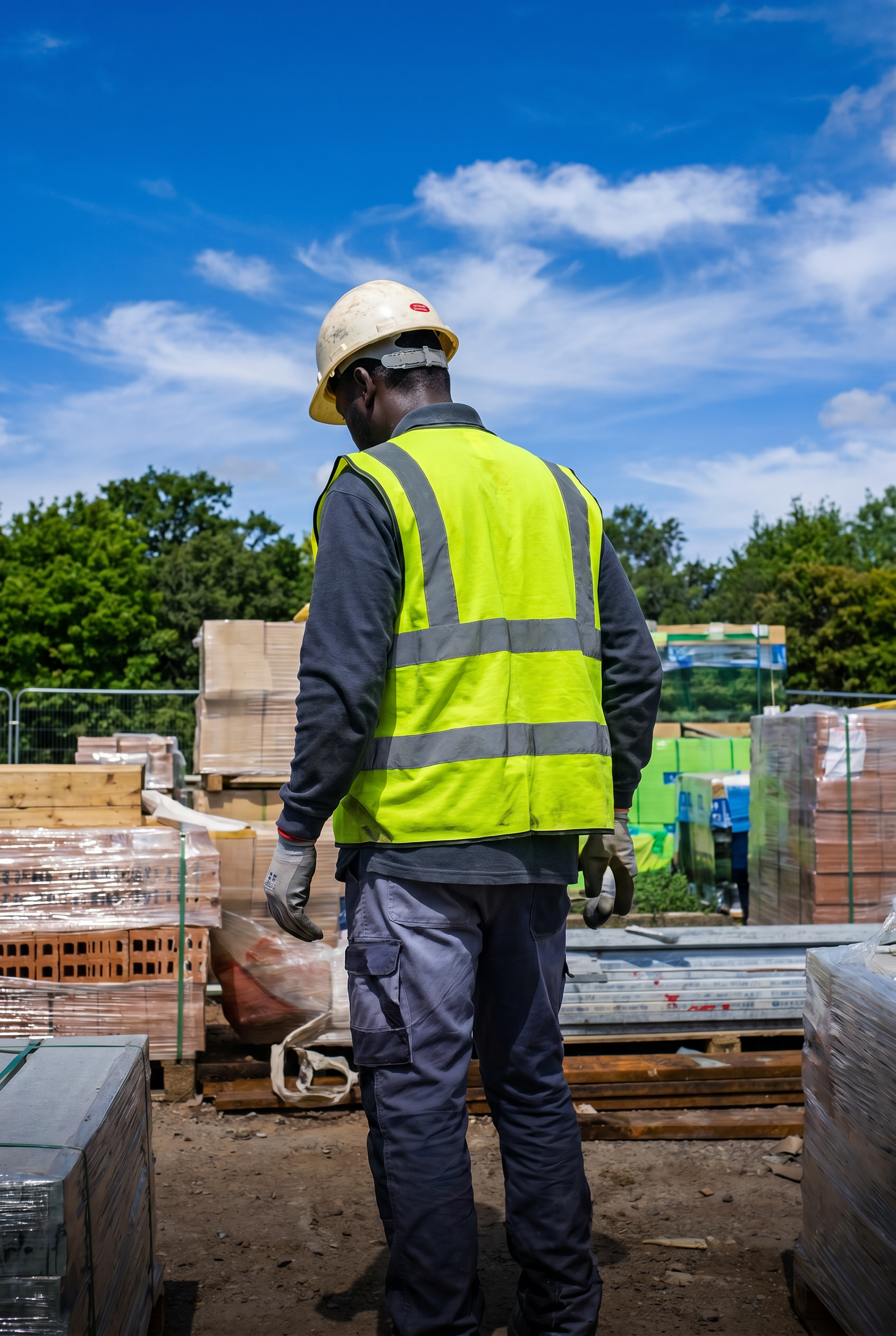
Geological Surveys
We confirm water depth and volume on your land before we drill.
Learn more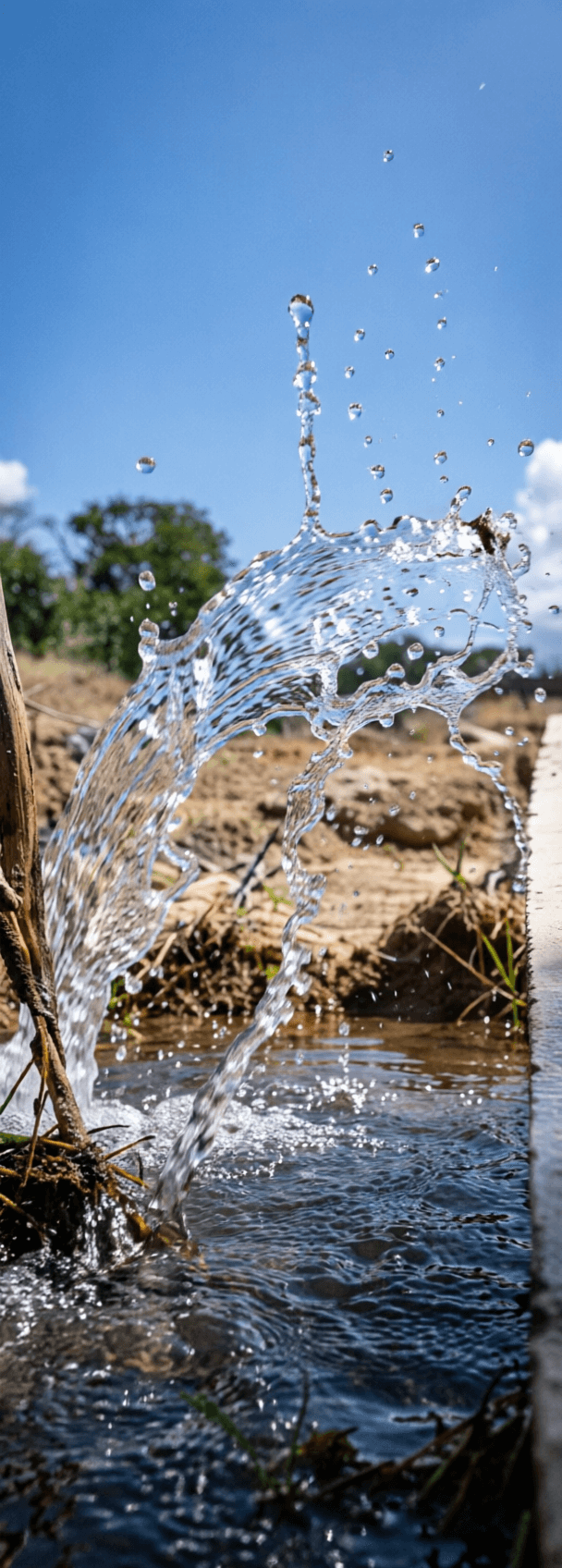
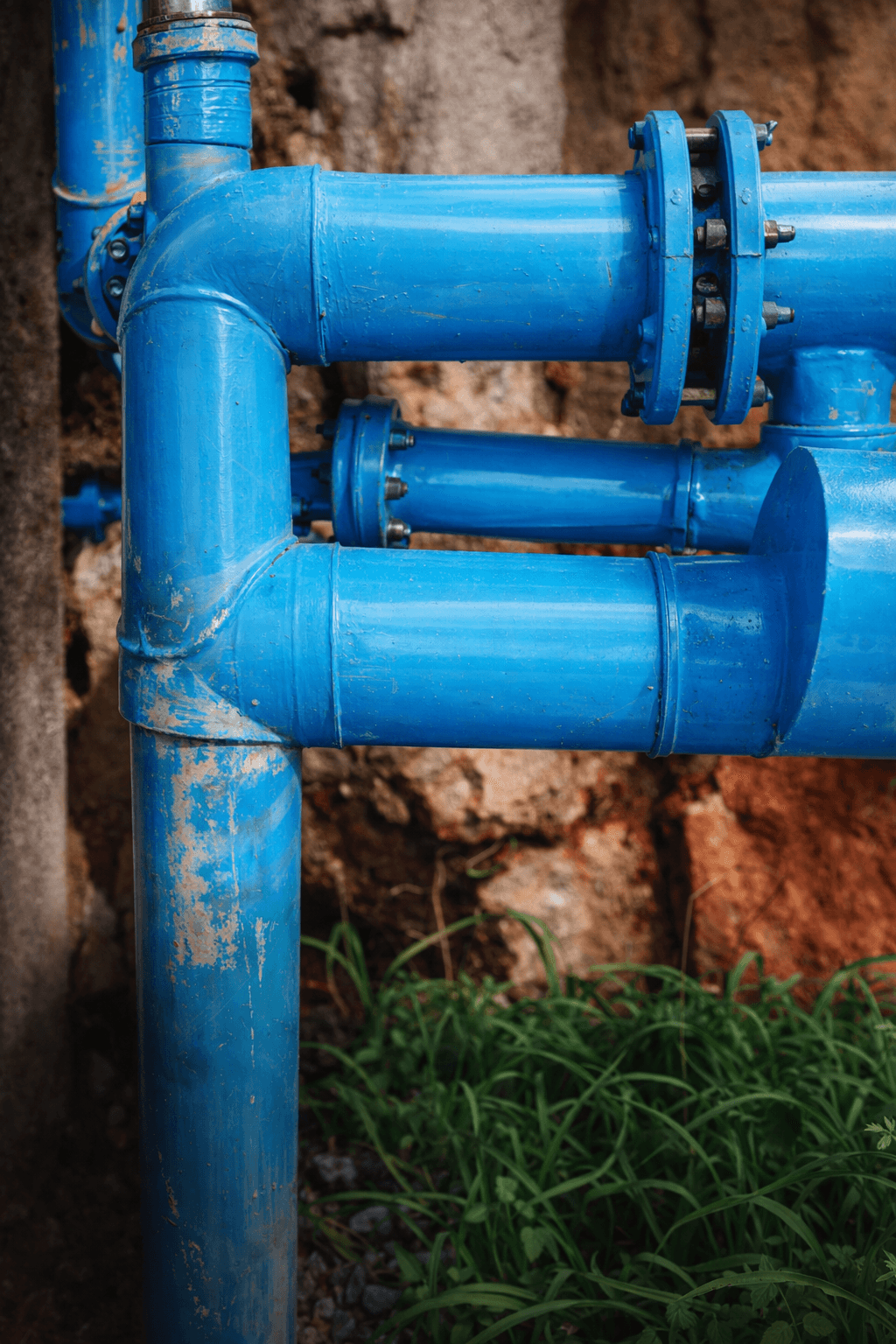
Air Lifting / Developing
Clear drilling debris and develop the borehole for maximum flow.
Learn moreBuilt for reliability, not just a finished hole in the ground
- Experienced drilling crews and licensed hydrogeologists
- Modern rigs and calibrated testing equipment
- Accurate groundwater investigation before any drilling starts
- Quality PVC casing and certified materials
- Correctly sized pump selection based on real yield data
- Single point of contact from survey to commissioning
- Ongoing rehabilitation and maintenance support
Questions,
Answered.
Depth depends on local geology and groundwater conditions. Our geological survey determines the most suitable drilling depth before work begins, typically between 100ft and 400ft.
Yes. A survey greatly increases the likelihood of locating productive groundwater while reducing unnecessary drilling costs and failed attempts.
In many cases, yes. Rehabilitation and hydro-fracturing can improve water yield and remove accumulated silt or blockages without the cost of a new borehole.
The right pump depends on borehole depth, yield, required water demand, and power availability. We confirm this with a pumping test before recommending a pump.
A straightforward residential borehole, from survey to a commissioned pump, is usually completed within one to two weeks, weather and site access permitting.
Not sure which service you need?
Tell us about your land and your water problem — we'll recommend the right combination of services, free of charge.